
The agricultural landscape in West Africa is evolving rapidly, driven by the increasing demand for crop production and food security. Among the many components fueling this transformation, the NPK fertilizer market trends have gained significant attention. As countries across the region focus on improving yields and reducing dependence on food imports, the strategic role of NPK fertilizers has never been more pronounced. These fertilizers—comprising nitrogen (N), phosphorus (P), and potassium (K)—are vital for enhancing soil fertility, ensuring sustainable agricultural practices, and meeting the nutritional demands of a growing population. Current NPK fertilizer market trends in West Africa show a growing shift toward customized fertilizer blends, precision farming technologies, and locally sourced raw materials.
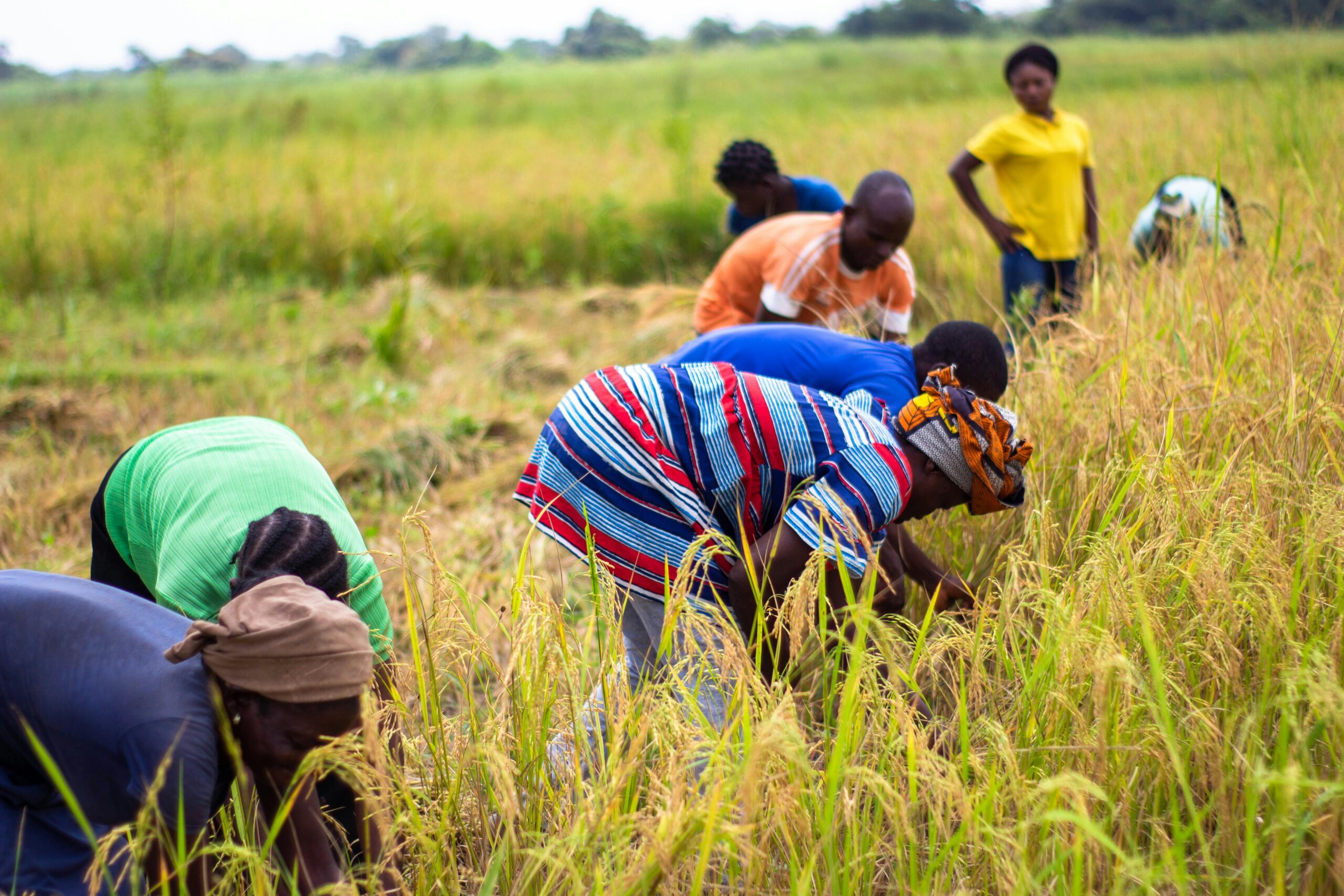
A key part of this growth involves the broader economic context—especially the trade of raw materials that are essential for fertilizer production. The raw materials trade in West Africa has seen a marked increase in recent years, largely influenced by rising intra-African trade agreements, investments in local mining, and infrastructure improvements. Phosphate, potash, and urea—core ingredients in NPK fertilizers—are now being mined and processed closer to end-users, reducing dependence on international imports and fostering regional economic development.
The supply chain of these materials is deeply integrated with the region’s economic plans, and it has a direct impact on fertilizer pricing and availability. Countries like Nigeria, Ghana, and Senegal are emerging as key players in the raw materials trade in West Africa, facilitating both domestic production and export opportunities. This dynamic trade flow not only helps stabilize fertilizer prices but also attracts international investors looking to tap into Africa’s growing agricultural markets.
At the same time, governments and private sector stakeholders are beginning to place more emphasis on self-sufficiency. As part of the response to global supply chain disruptions, West African countries are enhancing local processing capacities and building new fertilizer blending plants. These initiatives align closely with the broader NPK fertilizer market trends, which now emphasize resilience, sustainability, and cost-effectiveness. The development of local supply chains for raw materials has proven vital in maintaining production stability and reducing costs for farmers.
Climate conditions and changing weather patterns also play a critical role in shaping the market. Fertilizer needs vary depending on soil composition and crop type, and tailored NPK blends are increasingly in demand. This trend is further supported by advanced agritech tools that assist farmers in applying the right mix of nutrients at the right time, minimizing waste and environmental impact. These innovations mark a shift from traditional farming inputs toward more sustainable and technology-driven approaches.
The regional focus on agribusiness has also inspired partnerships and collaborations among West African nations. With improved cross-border regulations and shared research initiatives, knowledge exchange around fertilizer usage and raw material sourcing is becoming more seamless. This integration is essential to strengthening the long-term competitiveness of the raw materials trade in West Africa, especially as global commodity prices continue to fluctuate.
Despite the positive outlook, challenges remain. Logistics, financing, and regulatory hurdles continue to hinder full-scale development. Moreover, rural access to high-quality fertilizers remains inconsistent. As policymakers and industry leaders work to address these issues, the role of digital marketplaces and mobile platforms in streamlining supply and demand cannot be overstated. These tools are helping bridge the gap between manufacturers and smallholder farmers, thus contributing to the broader trends reshaping the agricultural economy.
As West Africa continues to rise as a key hub for agricultural production, attention to both fertilizer application and resource sourcing will be paramount. The interplay between NPK fertilizer market trends and the raw materials trade in West Africa is at the center of this transformation, shaping the future of food security, economic development, and environmental sustainability in the region.
Bigmanbusiness.com provides insightful analysis and updates on regional industries, offering valuable context for those navigating West Africa’s evolving agricultural supply chains. With continued focus on innovation and collaboration, the region is poised to become a global leader in sustainable agribusiness solutions. For those tracking progress in this sector, Bigmanbusiness.com remains a go-to platform for market intelligence and trade developments.