
Africa’s economic potential has long been tied to its vast natural resources and rich agricultural land. As global markets shift and evolve, the African agricultural commodity market is emerging as a crucial player in shaping international trade patterns. From cocoa in West Africa to coffee in East Africa, the continent is witnessing a significant transformation in how its commodities are grown, processed, and marketed globally. Governments and private sectors alike are investing in infrastructure, storage, and technology to elevate the competitiveness of African agricultural exports. This renewed focus on agriculture is helping local economies diversify beyond traditional reliance on mining and fossil fuels.
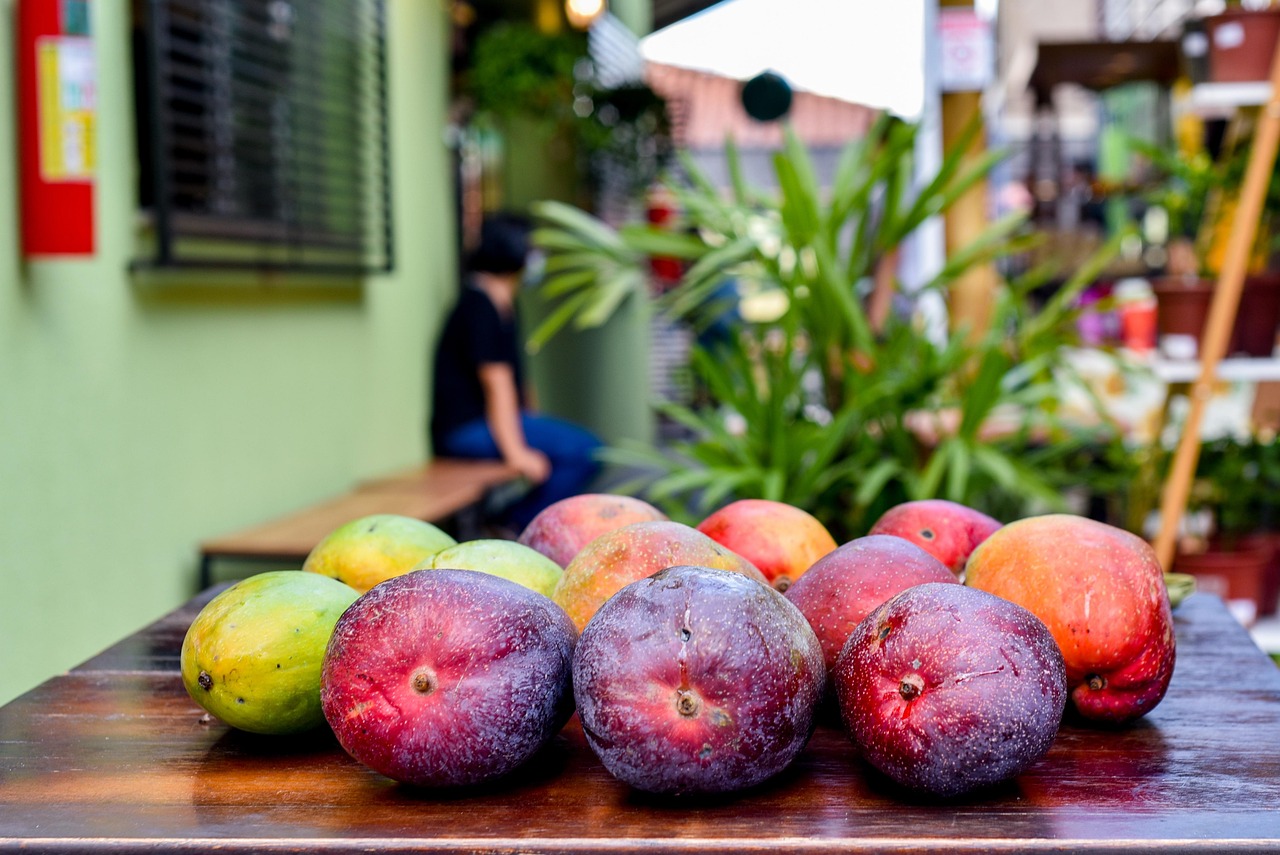
African Agricultural Commodity Market: A Rising Force
The African agricultural commodity market is gaining momentum due to increased demand for food security and climate-resilient crops. Farmers are embracing smarter agricultural techniques and leveraging innovations in irrigation and pest control. Trade blocs like the African Continental Free Trade Area (AfCFTA) are also contributing to smoother intra-African trade flows, allowing for regional specialization and stronger bargaining power on global platforms. Countries like Nigeria, Kenya, and Ghana are boosting their agricultural exports while tackling post-harvest losses through better logistics and cold storage systems. These steps are crucial in integrating African produce into international markets at competitive prices.
Iron Ore Pricing in Global Markets: Shaping Resource-Driven Economies
While agriculture flourishes, Africa’s mineral wealth remains an important economic pillar. A prime example is iron ore pricing in global markets, which plays a pivotal role in influencing African economies with large mining sectors such as South Africa and Guinea. Iron ore prices are driven by global demand from major economies like China and India, and fluctuations in these prices have a ripple effect on export revenues and fiscal planning in resource-rich African nations. Geopolitical tensions, shipping costs, and green energy initiatives also impact pricing trends, pushing producers to adapt to changing global standards.
Economic Implications of Commodity Shifts
The intersection between the African agricultural commodity market and iron ore pricing in global markets presents both opportunities and challenges. As nations strive to balance export revenues from agriculture and mining, they must develop policies that promote sustainability and equitable growth. African economies are learning to hedge against volatility in iron ore markets by diversifying into agribusiness and manufacturing. Furthermore, foreign investors are increasingly exploring joint ventures that combine raw material extraction with local processing and packaging of agricultural goods.
Technological Integration and Market Intelligence
Digital tools and data analytics are revolutionizing both sectors. In the African agricultural commodity market, mobile platforms are helping farmers access real-time pricing, weather forecasts, and buyer networks. Similarly, iron ore traders are using blockchain and AI-driven platforms to track shipments, monitor quality, and predict price movements in iron ore pricing in global markets. As these technologies mature, Africa’s role as both a producer and a strategic hub is expected to grow significantly.
In conclusion, the dynamic interaction between Africa’s growing agricultural market and its mineral exports is reshaping the continent’s economic landscape. Strategic development, infrastructure investment, and international cooperation are key to unlocking the full potential of these sectors.
For more info:-1. youtube
2. telegram